 Request a Demo
 Download Brochure
Universal Instrument Data Capture
Collects data from PC-based instrument folders without file size limits, while standalone devices connect through RS232, TCP/IP, or analog ports.


Regulated laboratories generate vast amounts of scientific data, but when files are scattered across instruments, local drives, and shared folders, keeping that data controlled becomes a challenge. Scientific Data Management Systems (SDMS) bring records into a centralized environment where data can be captured, preserved, organized with metadata, and retrieved when needed. Beyond secure file storage, SDMS transforms instrument data into reliable, accessible information through a SaaS platform connecting global sites and teams.
For laboratories operating under GxP, GLP, cGMP, 21 CFR Part 11, or EU Annex 11, scientific data needs to remain secure, traceable, and accessible throughout its entire lifecycle. An SDMS goes beyond basic file storage by capturing instrument data automatically, protecting original records, making data easy to retrieve, maintaining complete audit trails, supporting data integrity, and connecting scientific information across laboratory workflows.
Collects data from PC-based instrument folders without file size limits, while standalone devices connect through RS232, TCP/IP, or analog ports.
Transfers files through FTP or SFTP, mirrors the original folder structure, and preserves file history through auto-versioning.
Uses metadata such as project, sample ID, to organize records, while parsing extracts structured values from instrument outputs.
Supports ALCOA+, 21 CFR Part 11, and EU Annex 11 through secure access controls, electronic signatures, and audit trails.
REST APIs allow SDMS data to connect with systems such as LIMS, ELN, MES, and ERP systems for accessible, connected data.
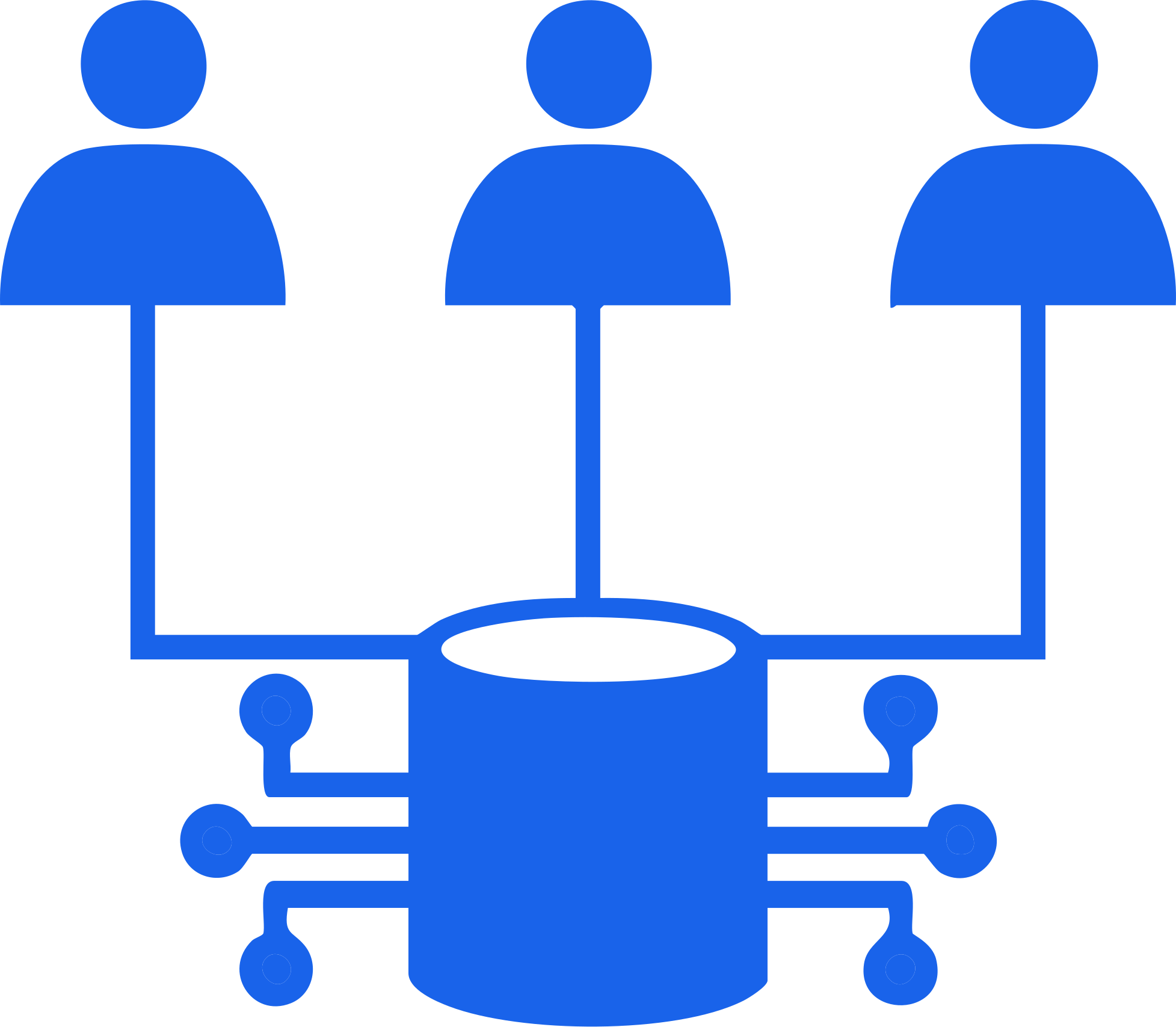
Cloud-based architecture for centralized multi-site management, secure remote monitoring, and scalable database access.
Learn what a Scientific Data Management System (SDMS) is, how it centralizes scientific data, automates instrument data capture, preserves original records, enhances traceability and data integrity throughout the data lifecycle, supports regulatory compliance and operational efficiency, and how it differs from Seamless Data Transmitters.
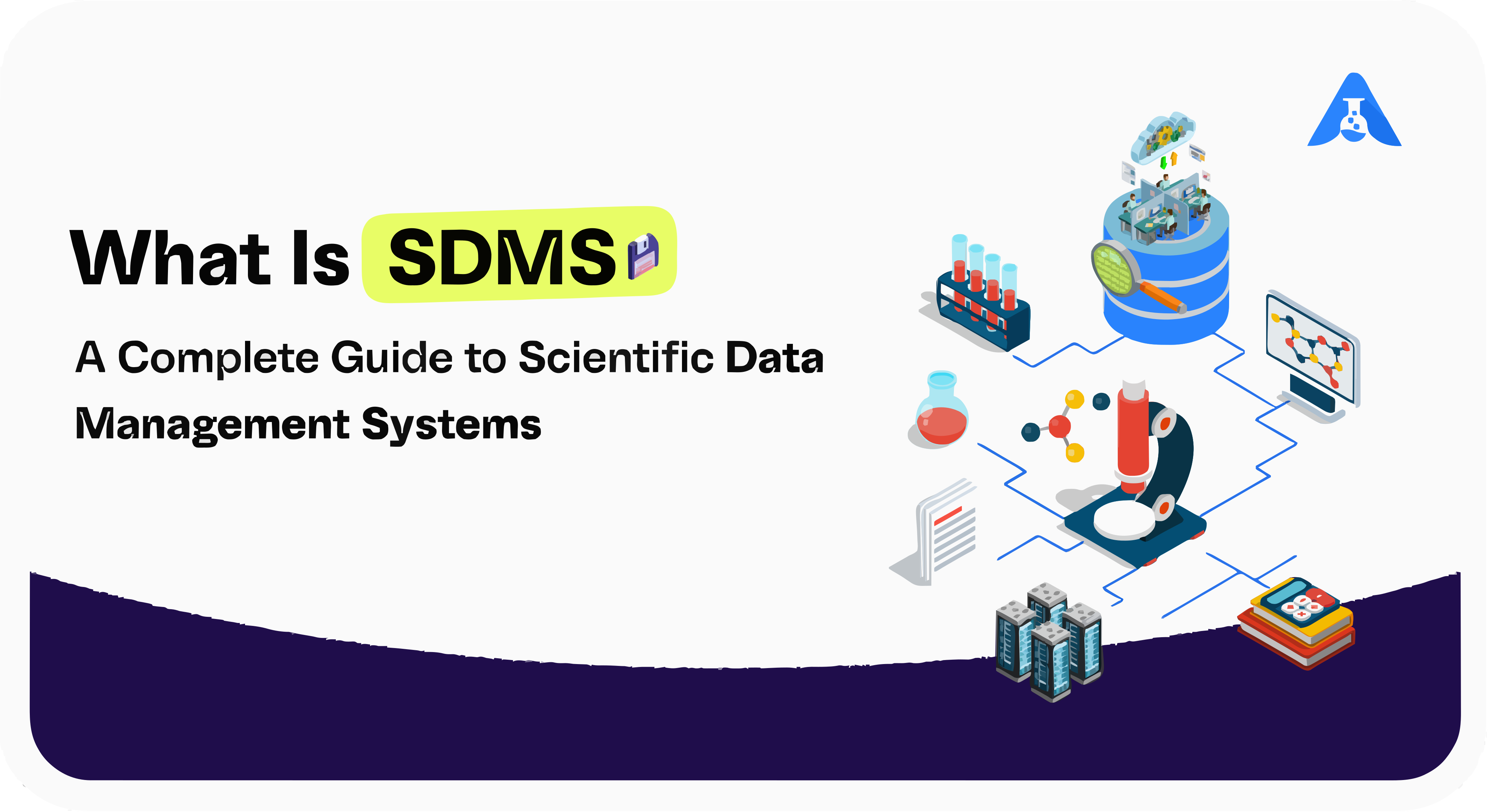
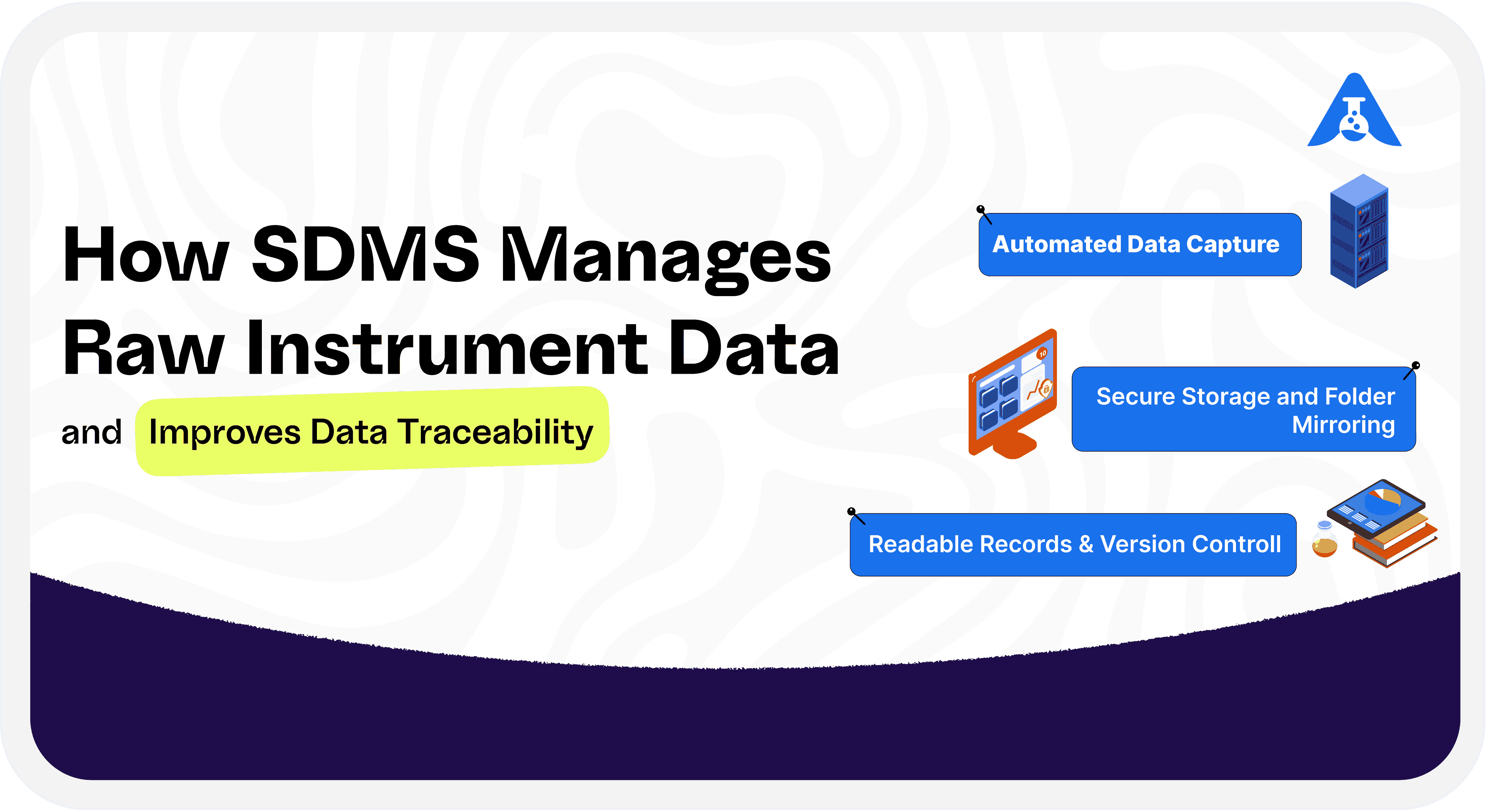
Discover how SDMS software helps laboratories manage raw instrument files, preserve original records, organize scientific data, and trace results back to their source, ensuring reliable access and greater visibility throughout the data lifecycle while simplifying audits, strengthening compliance, and reducing manual data handling risks.
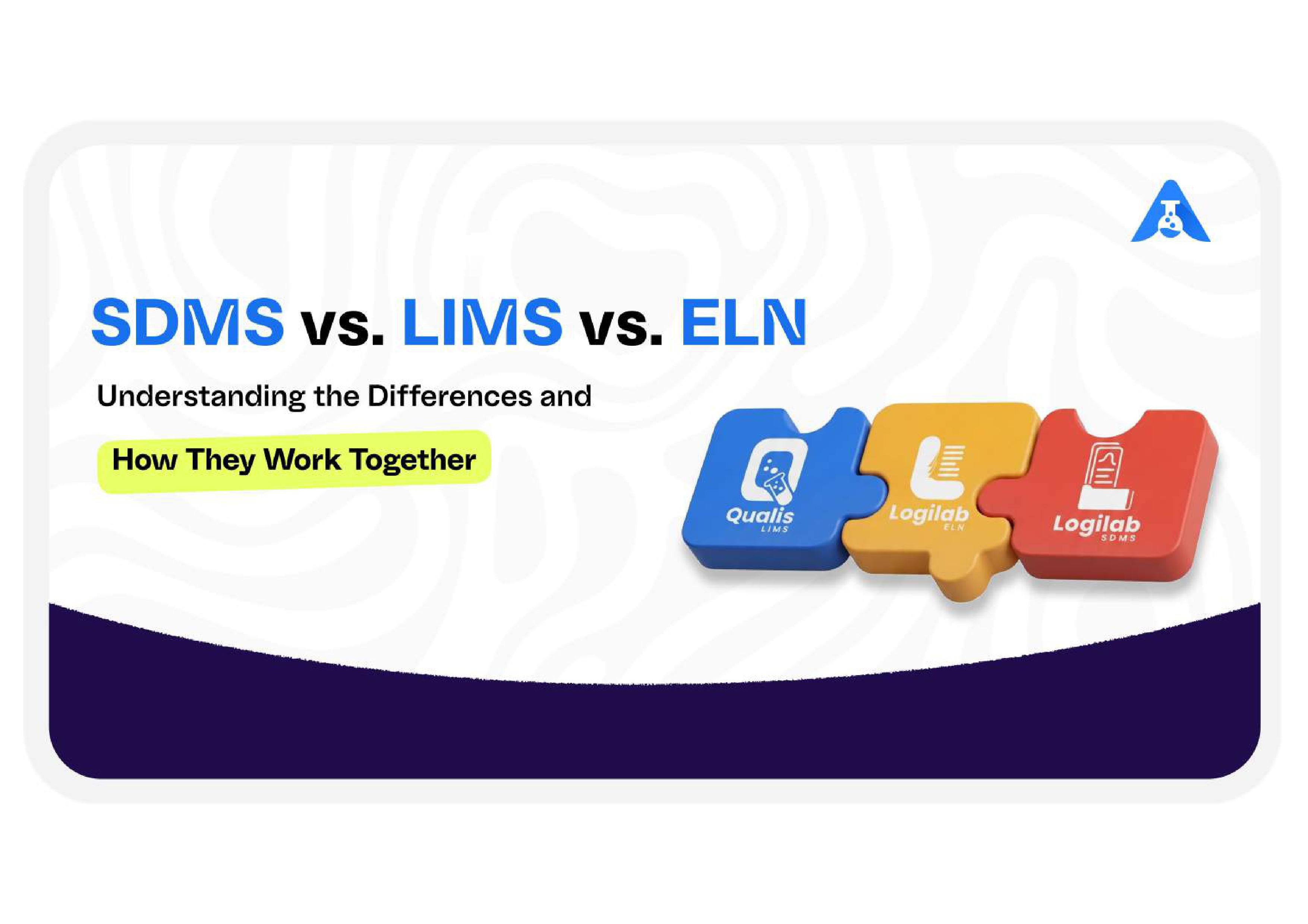
Discover how SDMS, LIMS, and ELN work together to manage laboratory data, streamline workflows, and maintain traceability from instrument data capture to Certificate of Analysis (COA) release. Understand what each system manages, who uses it, and how they connect to improve data integrity, support compliance, and reduce manual effort.
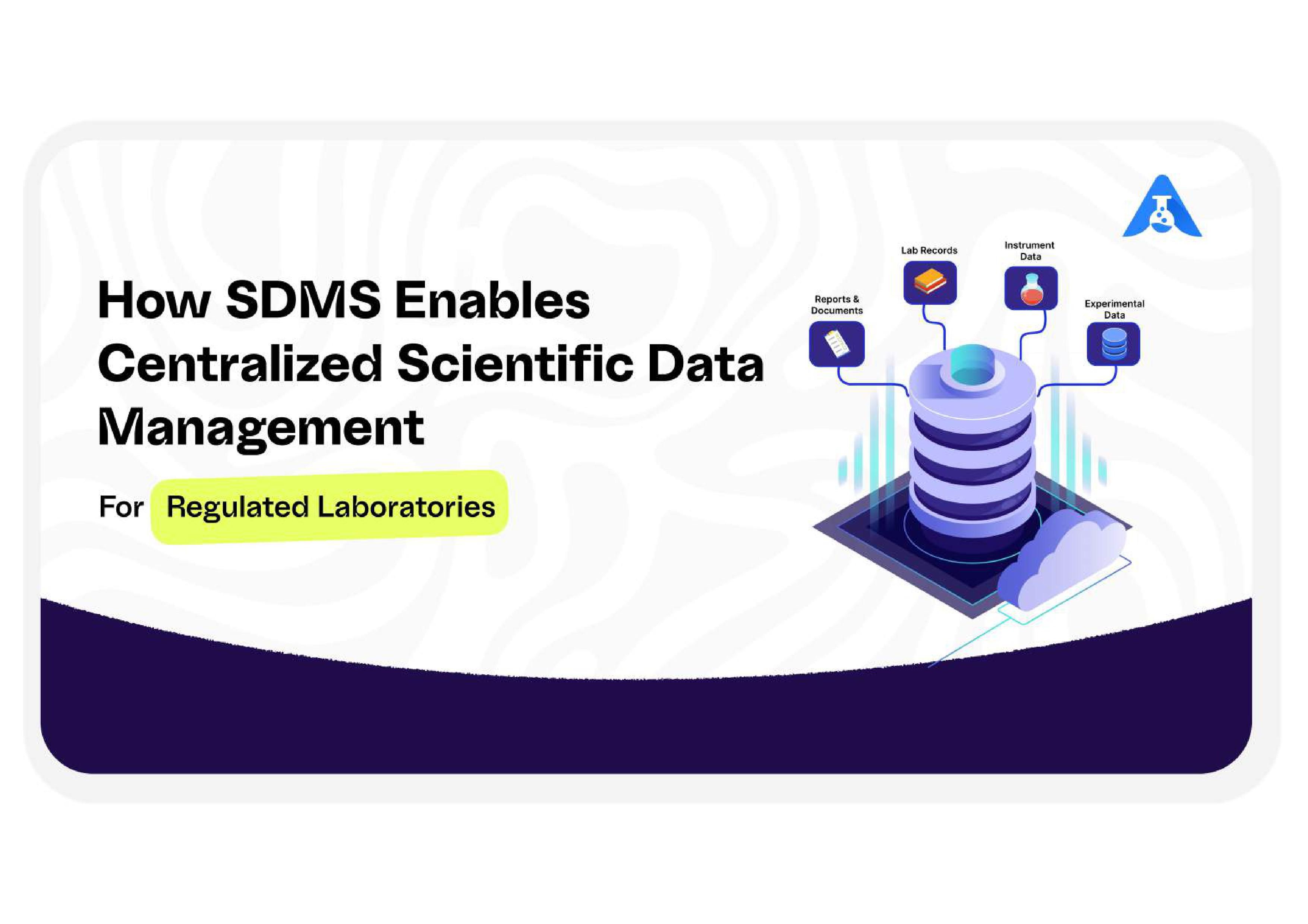
Learn how SDMS software helps regulated laboratories move instrument data from isolated local drives into a centralized, governed repository, creating a single source of truth, improving accessibility, supporting audit readiness, and reducing fragmented data risks while ensuring consistent data governance across laboratory workflows.
Get a personalized walkthrough tailored to your research, compliance needs, and budget, and find out which tools actually make sense for how your lab works.
 Talk to Our Experts
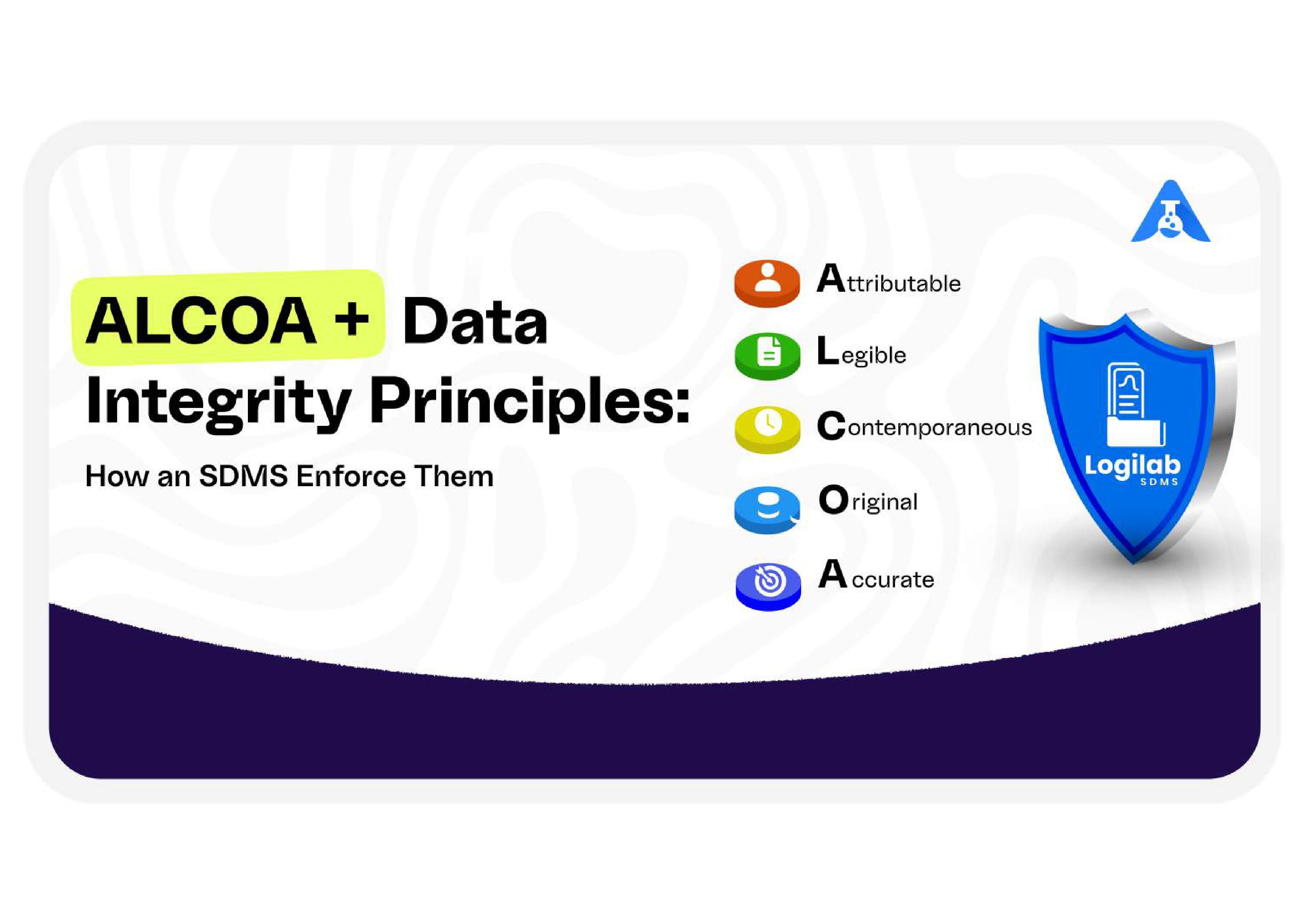
Understand how SDMS software helps laboratories uphold ALCOA+ data integrity principles by preserving original records, maintaining data accuracy, ensuring traceability, and keeping scientific data complete, consistent, enduring, and accessible throughout its lifecycle while supporting regulatory compliance and audit readiness.
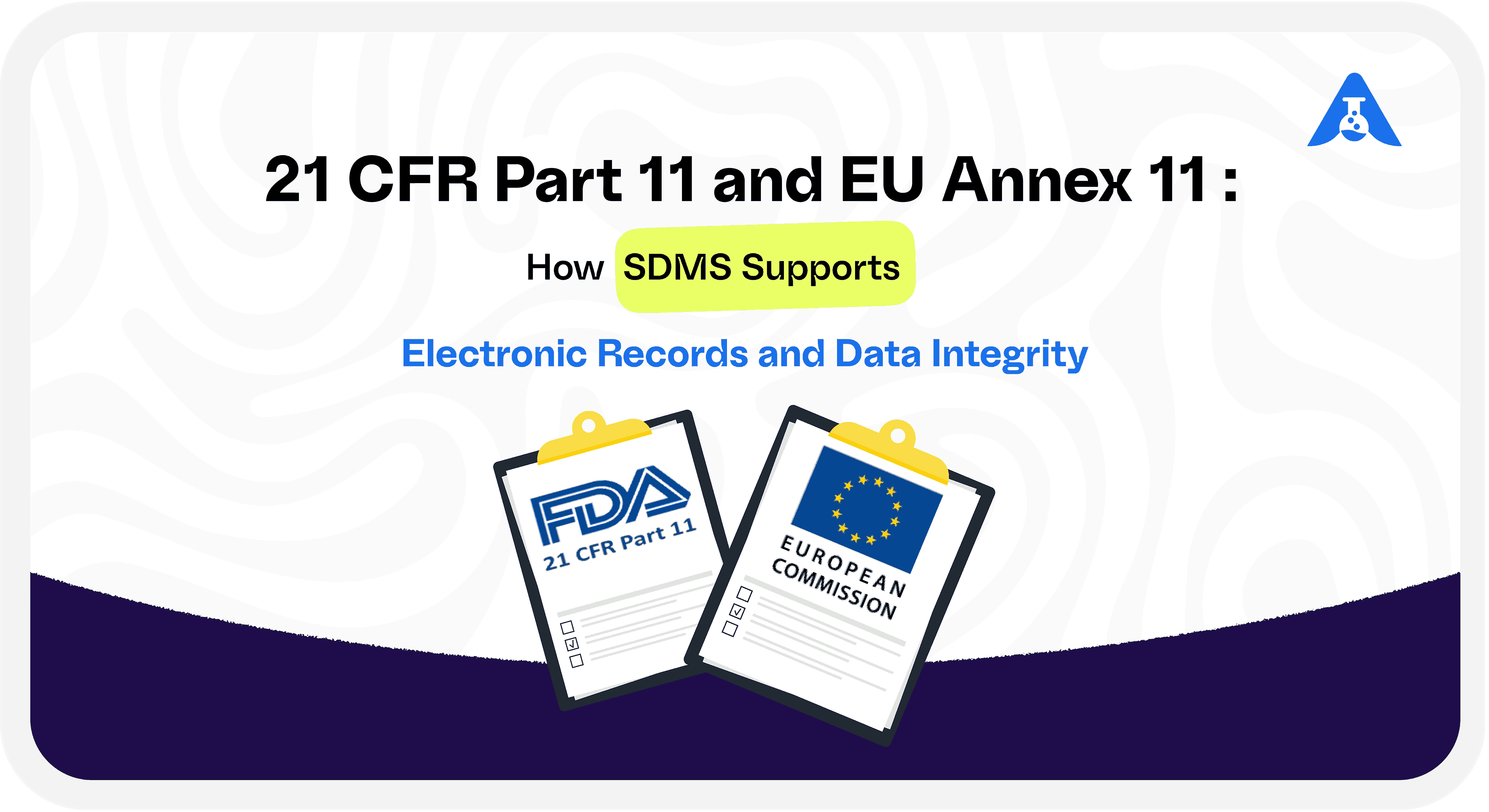
Discover how SDMS software helps laboratories manage electronic records in line with 21 CFR Part 11 and EU Annex 11 by supporting access controls, audit trails, electronic signatures, and readable records while strengthening data integrity and regulatory compliance throughout the scientific data lifecycle and simplifying audit preparation.
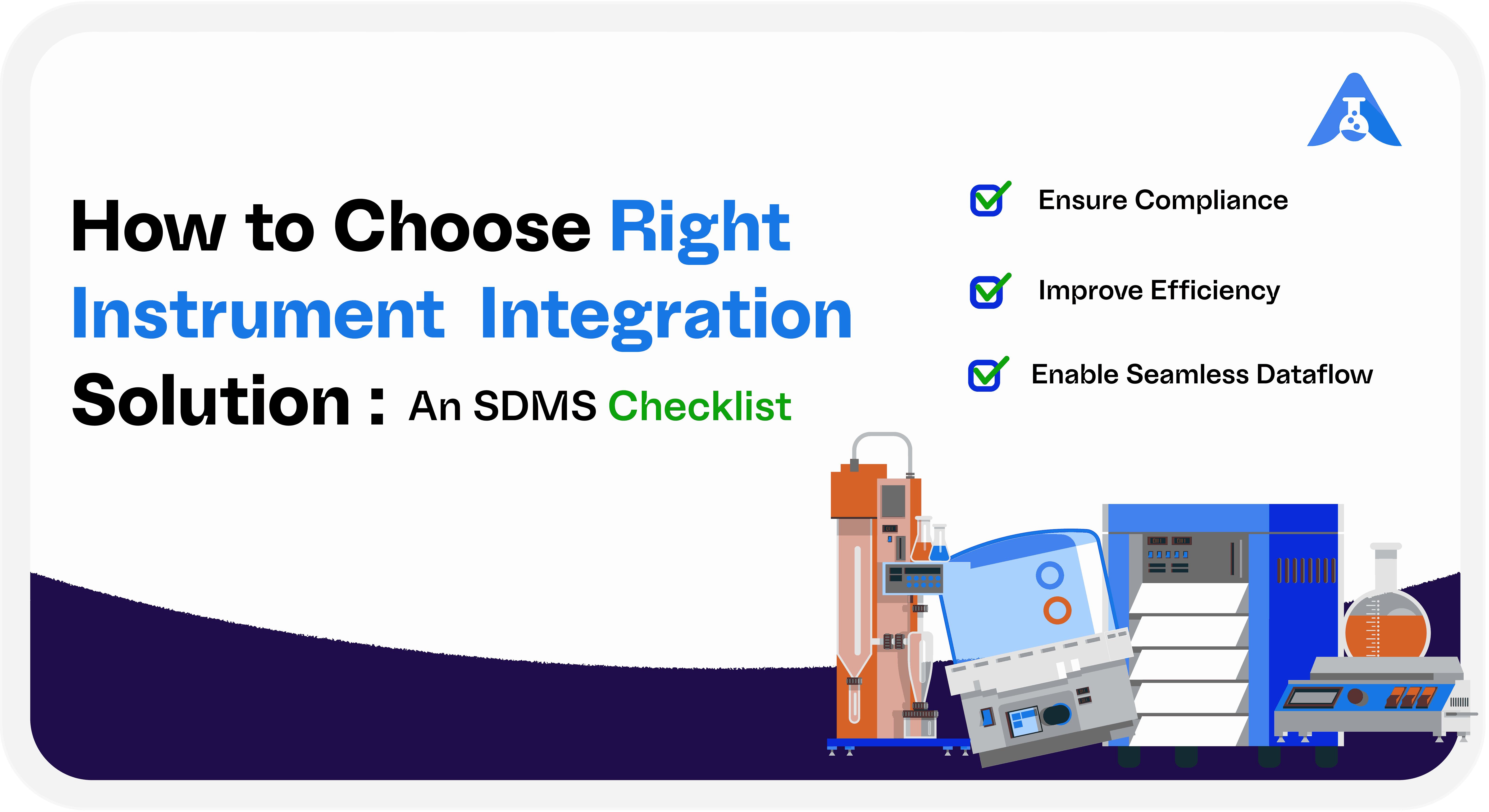
Know how to evaluate SDMS software across connectivity, data storage, compliance, hosting, integration, and licensing to compare vendors effectively, identify essential capabilities, and choose a solution that meets your laboratory’s scientific data management needs while supporting long-term scalability, operational efficiency, and regulatory compliance.
A Scientific Data Management System (SDMS), Laboratory Information Management System (LIMS) software, and Electronic Lab Notebook (ELN) software serves different purposes. A LIMS manages samples, testing, and certificates of analysis, while an ELN documents experiments, protocols, calculations, and signatures. An SDMS captures, indexes, stores, and archives instrument data and metadata, ensuring traceability, version control, and data integrity. Logilab SDMS integrates with ELN and LIMS to link results with source files, improving accessibility and simplifying audits. Book a free personalised SDMS demo to see how they work together.
A regulated laboratory should look for an SDMS that offers seamless integration with laboratory instruments to automatically capture, organize, and store instrument-generated data. Key features include automated data capture, raw file preservation, metadata extraction, role-based access controls, audit trails, timestamps, version history, secure data storage, and electronic signatures. These capabilities help laboratories maintain data integrity, improve traceability, follow ALCOA+ principles, and support regulatory requirements such as 21 CFR Part 11 and EU Annex 11. Get in touch with our SDMS experts to learn how we can strengthen data integrity and compliance.
Logilab SDMS connects to analytical, physical, and diagnostic instruments across makes, models, and file formats. It supports PC-based instruments through automated folder capture and standalone instruments through RS232, TCP/IP, and analog signals. Chromatography data systems integrate through SDKs and REST APIs. Get our instrument integration list to check compatibility with your laboratory equipment.
Yes. Many laboratories use legacy GxP instruments that lack electronic record controls, making replacement costly. Logilab SDMS helps integrate older instruments, while supporting consistent data capture, secure storage, and audit trails. Optional compliance solutions, such as Agaram Technologies’ CFR Gateway, can help address electronic record requirements and support regulatory readiness across laboratory workflows. Contact our SDMS experts to learn how to connect legacy instruments seamlessly.
Yes. Logilab SDMS integrates with any existing LIMS and ELN through REST APIs. Its web-based parser extracts structured data, such as chromatogram peak tables, while linking results to original files. Integration with other LIMS or ELN platforms depends on their interfaces and requirements. Contact our SDMS expert team to discuss your integration needs.
Yes, with a SaaS-based, multi-tenant SDMS such as Logilab SDMS. A single cloud platform manages scientific data from multiple instruments, database environments and laboratory sites, while each environment keeps its data and access controls. Organizations access it through a subscription, eliminating the need to install and maintain software at every site. Teams can securely access scientific data and connected instruments from any location through one redesigned interface. Explore Logilab SDMS for your multi-site labs today!
Agaram Technologies’ Logilab SDMS is a trusted solution for laboratories seeking reliable scientific data management across diverse research and testing environments worldwide. It supports automated instrument data capture, metadata management, secure archiving, and integration with LIMS and ELN systems, helping improve traceability, data integrity, and operational efficiency while simplifying regulatory compliance. Book a free personalised SDMS demo to explore its capabilities.
Submit this form and our sales representative will
contact you soon.
Email Us:
sales@agaramtech.com



 Read the full SDMS guide
 See How SDMS Protects Raw Data
 Compare SDMS, LIMS and ELN
 Download Brochure
 Contact Us