 Request a Demo
 Download Brochure

structured Lab Digitization
Move from paper-based records and spreadsheets to controlled digital workflows across sample registration, testing, documentation, review, and approval. Improve consistency, traceability, and operational control.


A paperless pharmaceutical QC lab is built by connecting the core systems and workflows that manage samples, experiments, instrument data, approvals, and compliance. For many laboratories, this shift begins with reducing dependence on paper records, spreadsheets, and disconnected software, then moving toward a structured digital environment powered by LIMS, ELN, and SDMS. This content hub brings together the key topics that matter when planning a pharma QC lab digitization strategy
Centralize all laboratory operations into a single environment that connects experiments, results, instrument data, and approvals. By bringing everything together, teams can monitor progress in real time, reduce redundant effort, and simplify oversight. This approach enhances operational clarity, accelerates decision-making, and ensures every activity is transparent and easy to track.
Move from paper-based records and spreadsheets to controlled digital workflows across sample registration, testing, documentation, review, and approval. Improve consistency, traceability, and operational control.
Digitize and standardize workflows for sample handling, test execution, result recording, and approvals. Reduce manual intervention and improve process efficiency.
Strengthen data integrity by reducing manual entry and transcription. Maintain controlled access, structured data capture, and alignment with regulatory expectations.

Understand the financial impact of moving away from paper-based processes. Evaluate investments across systems, integration, and efficiency gains to support long-term value.
Plan deployment timelines based on workflow complexity, validation needs, and organizational readiness. Ensure structured rollout with minimal disruption to QC operations.
Choose between cloud and on-premise systems based on infrastructure, compliance requirements, and long-term digital strategy. Support scalability and evolving laboratory needs.
Moving toward a digital QC lab starts with understanding how information flows today, from sample receipt and registration to testing, experiment documentation, raw data capture, review, and final approval. This article outlines a practical path for labs that want to reduce manual handling and build a more connected, traceable, and compliant quality control environment.
A LIMS for pharmaceutical QC labs is one of the most important building blocks of a paperless laboratory. This article explains why QC environments need LIMS and what features matter most when selecting a system for regulated testing operations. For readers comparing solutions, this is a practical guide to choosing a LIMS that supports both daily operations and long-term digital transformation.
For laboratories still relying on handwritten documentation, the move from paper notebooks to Electronic Lab Notebooks is a major step toward a paperless pharmaceutical laboratory. This article compares traditional paper-based documentation with ELN-based workflows in a pharmaceutical context. It shows how ELNs improve structure, accessibility, collaboration, and traceability while also fitting into a broader digital lab ecosystem alongside LIMS and SDMS.
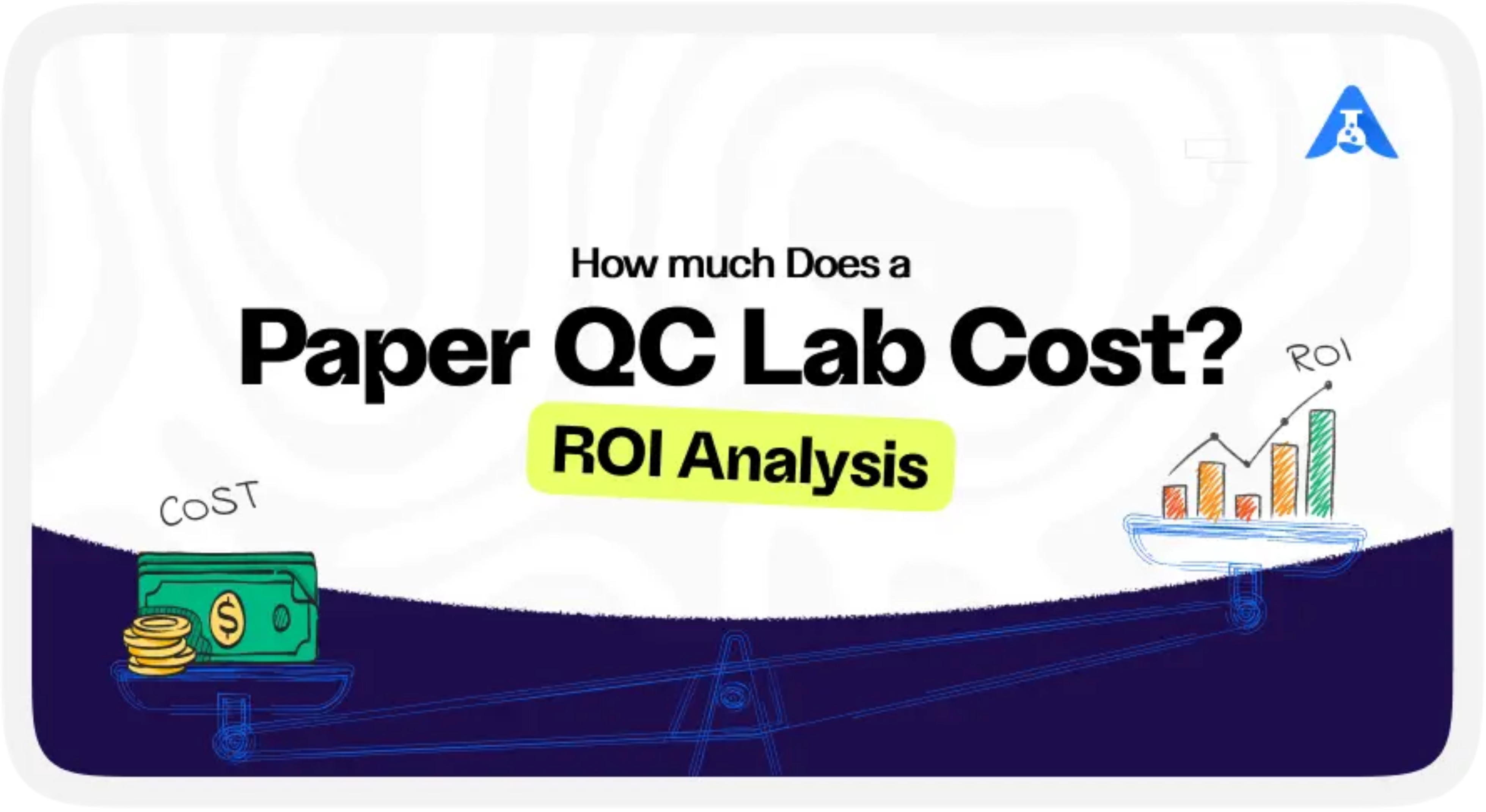
The decision to go paperless is not only operational. It is also financial. This article looks at what influences the cost of a paperless QC lab and how organizations can think about digitization as an investment across systems, workflows, integration needs, and long-term efficiency gains.
Get a personalized walkthrough tailored to your research, compliance needs, and budget, and find out which tools actually make sense for how your lab works.
 Talk to Our Experts
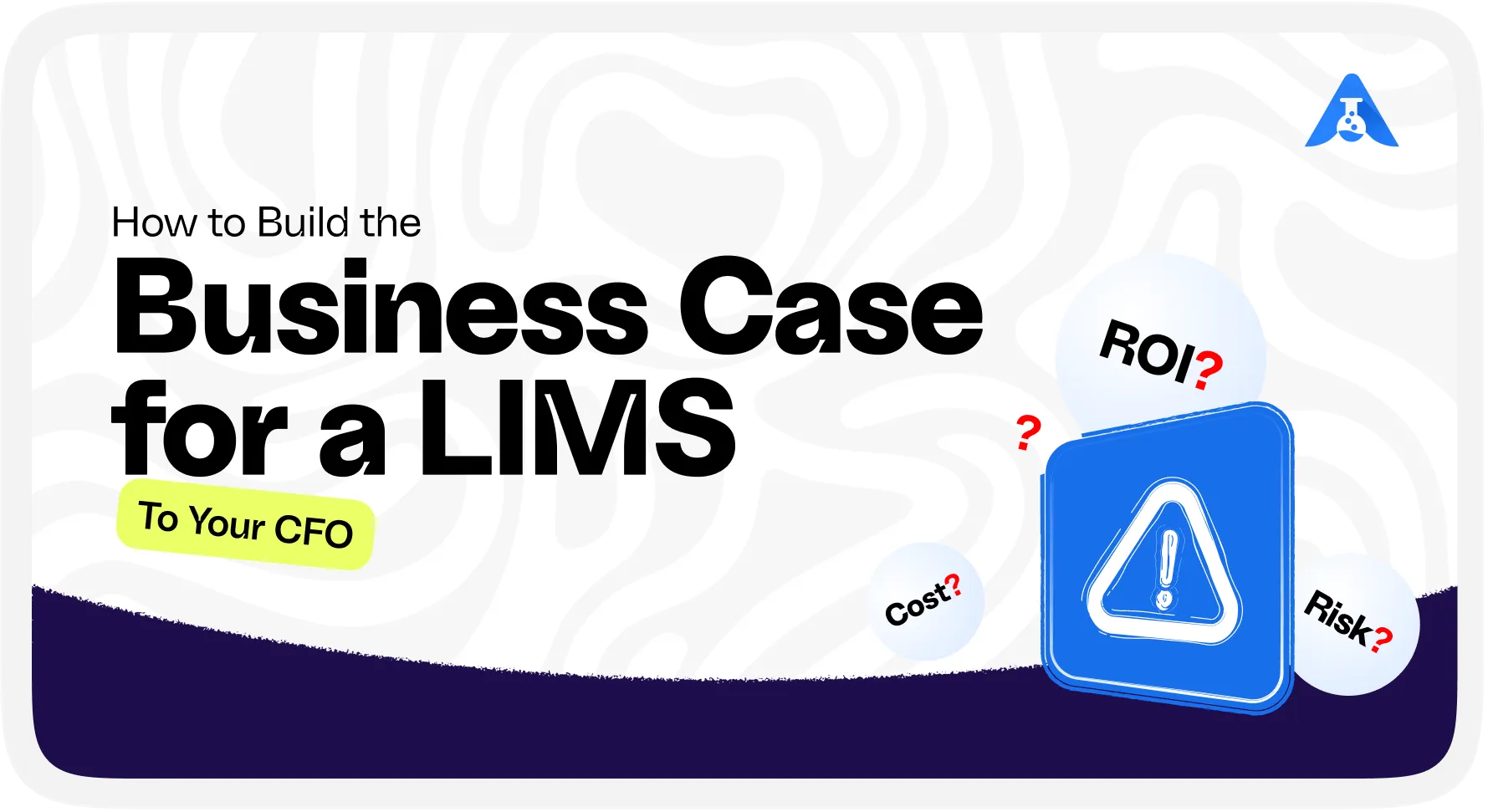
A LIMS proposal becomes stronger when it is framed in financial and operational terms, not just technical ones. This article helps laboratory and quality teams present LIMS software as an investment in workflow efficiency, visibility, control, and scalability.
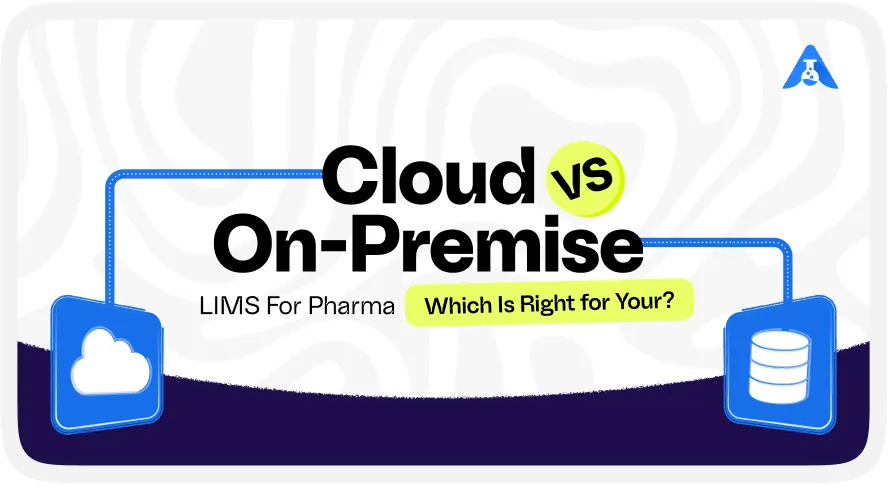
Choosing a LIMS also means choosing how it will be deployed. This article compares cloud vs on-premise LIMS for pharma by looking at infrastructure responsibility, cost structure, scalability, performance, security, data control, and compliance considerations. Rather than treating one model as universally better, it helps pharmaceutical organizations evaluate which deployment approach fits their IT capacity, operational priorities, and long-term strategy.
In pharmaceutical QC, data integrity depends on how data is recorded, transferred, reviewed, and preserved. This article explains why manual entry remains one of the biggest risks in paper-heavy laboratory environments and why spreadsheet-based and transcription-driven workflows can weaken traceability. For readers concerned with compliance, audit readiness, and reliable recordkeeping, this topic highlights why digital workflows matter beyond convenience. It positions data integrity as a core reason to move toward a connected LIMS, ELN, and SDMS environment.
Analytical instruments generate a significant share of QC data, but many laboratories still handle this information through local systems, manual transfer, or disconnected storage. This article explains how automated instrument data capture in QC labs improves traceability, accessibility, and control. It also highlights the role of SDMS in preserving raw analytical files and linking them to samples, methods, and experiments, which helps laboratories build a more connected and auditable digital ecosystem.
Implementation timelines are one of the first questions asked during pharma lab digital transformation. This article examines the main factors that influence how long a LIMS implementation takes, including workflow complexity, resource availability, validation scope, training, and internal readiness. For labs planning a rollout, the article helps set realistic expectations and explains why implementation is not only about software setup but also about planning, standardization, and adoption.
By implementing a digital lab ecosystem using LIMS , ELN , and SDMS , labs can replace siloed spreadsheets, paper records, and standalone instruments with a unified, connected platform. This streamlines sample tracking, testing workflows, and reporting while improving data integrity and visibility. Book a personalized demo to see how this transformation works in a real lab environment.
Traceability improves when all activities from sample registration to final approval are managed within a unified LIMS environment with built-in audit trails and linked records. See the product in action to understand how complete traceability is achieved seamlessly.
Automating data capture through instrument integration and SDMS allows analytical results to flow directly into the system, eliminating transcription errors and reducing rework. Talk to an implementation specialist to explore how this can be tailored to your lab setup.
Using validated digital systems with controlled access, electronic signatures, and audit trails ensures data integrity and simplifies inspections. Download the brochure to see how audit readiness and compliance are maintained across the workflow.
A well-planned LIMS implementation approach that includes workflow mapping, phased deployment, data migration strategy, and user training helps ensure smooth adoption with minimal disruption to ongoing QC activities. Connect with our implementation team to plan a rollout strategy tailored to your lab needs.
Submit this form and our sales representative will
contact you soon.
Email Us:
sales@agaramtech.com


 Explore the key LIMS capabilities for pharma QC
 Compare ELN and paper notebooks in detail
 See how paperless lab ROI is evaluated
 Learn how automated data capture supports paperless QC
 Download Brochure
  Contact Us